
Feeling lost? The Ombuds Office is Here to Help!
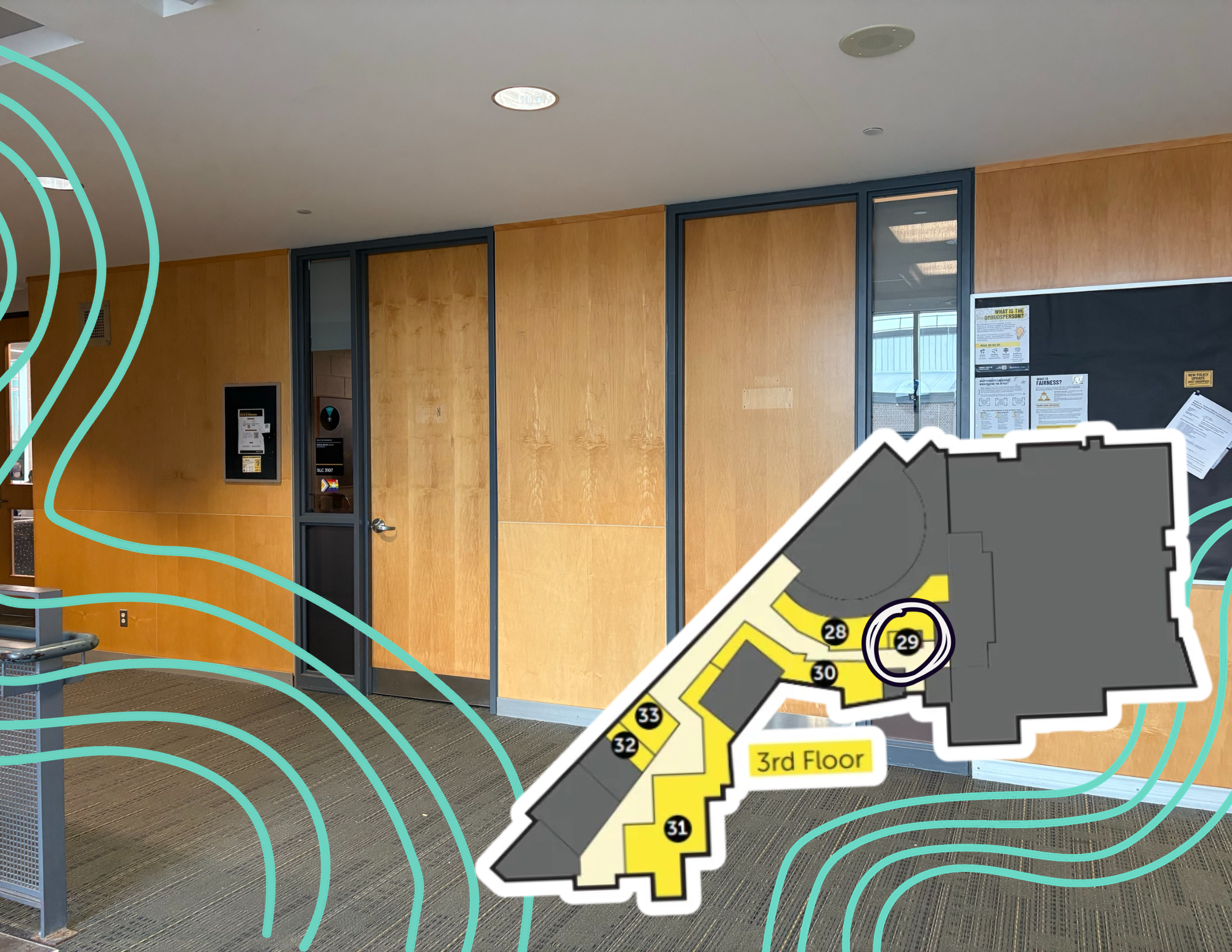
University can be complicated. Maybe you received a decision you do not understand, are considering submitting a petition or appeal, or are unsure how to address a concern about residence, a university policy, or an interaction with someone on campus. You might know something does not feel right but not where to turn or what steps to take next. If any of this sounds familiar, the University of Waterloo’s Office of the Ombudsperson can help you understand your situation, explore your options, and figure out how to move forward.
What is the Ombuds Office?
The Ombuds Office provides confidential, impartial, and independent assistance to students navigating academic and non-academic concerns at the University of Waterloo. Whether you are trying to understand a university decision, clarify your rights and responsibilities, or work through a difficult situation, the office offers a space to discuss your concerns without judgment. Staff can help you make sense of relevant university policies and procedures, consider possible approaches, and identify resources that may be useful. Most importantly, the Ombuds Office helps you advocate for yourself. Rather than making decisions for you, it equips you with the information and guidance you need to make informed choices and navigate university processes with greater confidence. You do not need to have a formal complaint or know exactly what you want to do before reaching out. If you are unsure where to start, the Ombuds Office can help you identify your options.
What can Ombuds help with?
The Ombuds Office supports students with a range of concerns related to university policies, procedures, and decision-making, including:
- Grievances, petitions, and appeals: Understanding the process, applicable policies, and options available when you want to challenge or seek a review of a decision.
- Academic and non-academic discipline: Understanding procedures, rights, and responsibilities when facing an allegation or disciplinary process.
- Housing and residence: Exploring options for concerns related to residence or other university housing matters.
- Interpersonal concerns: Working through difficult interactions, misunderstandings, or conflicts involving other members of the university community.
- Policies, procedures, rights, and responsibilities: Making sense of university rules and understanding how they apply to your situation.
- Planning next steps and referrals: Developing a strategy to address your concern and connecting with other campus resources when another office or service is better suited to help.
What does Ombuds not do?
Understanding the office’s role is just as important as knowing how it can help.
The Ombuds Office:
- Does not decide who is right or wrong. Its role is to provide an impartial perspective and help students understand their options.
- Does not take sides. The office remains independent and impartial, regardless of who is involved in a concern.
- Does not advocate an individual case. Staff help students prepare to address their own concerns rather than representing them or arguing their case on their behalf.
- Does not provide legal advice or counselling. Students who need these services can be directed to more appropriate resources.
- Cannot compel action or overturn decisions. The office does not have the authority to order someone to act, reverse a university decision, or replace the decision-maker responsible for a formal process.
Ombuds is a resource for guidance, clarity, and problem-solving, not a substitute for a formal appeal process, legal representation, or counselling. If you are considering an appeal or another formal process, it is important to understand the applicable requirements and deadlines.
Self-advocacy starts with understanding your options
Speaking up for yourself can feel intimidating, especially when you are unfamiliar with university procedures or unsure how your concern will be received. The Ombuds Office can help you:
- Break down a complicated situation
- Identify the policies and processes that apply
- Consider possible outcomes
- Plan how to communicate your concerns.
This might mean preparing for a conversation, organizing the information you need, or deciding which office to contact next. The goal is to help you feel better equipped to take the next step yourself. You do not have to navigate every university process alone, and you do not need to have all the answers before asking for guidance.
A resource made possible through student advocacy
The Ombuds Office is also an example of how student advocacy can lead to meaningful change. As outlined in WUSA’s original introduction to the office, student leaders from the Waterloo Undergraduate Student Association (WUSA) and the Graduate Student Association (GSA), alongside other student representatives, advocated for the office’s return over several years. Their work helped bring back a resource that students can now access when navigating university-related concerns. That history is a reminder that student advocacy is not only about addressing individual challenges. It can also help create lasting resources that support the wider student community.
Where to start
If you have a concern about a university policy, decision, or process, or simply do not know what your next step should be, consider contacting the Office of the Ombudsperson.
Contact the Ombuds Office
- Email: uwombuds@uwaterloo.ca
- Phone: 519-888-4567, extension 36124
- Location: Third floor, Student Life Centre
The office offers in-person, virtual, phone, and email contact options. Reaching out early can help you better understand your options and plan your next steps.
For additional practical guidance, WUSA’s An Advocate’s Toolkit offers step-by-step strategies for communicating your concerns, building an advocacy plan, and navigating challenging conversations. Whether you are trying to understand a decision, prepare for a difficult conversation, or figure out where to begin, remember that you have options. The Ombuds Office can help you understand them so you can decide how to move forward.
Milena Fernandes
Copywriter
Published: Thursday, November 26, 2026